
Poland and Turkey
Explore the multi-faceted relationship between Poland and Turkey, covering historical ties, economic partnerships, and cultural exchanges in this comprehensive guide.
Historical Foundations of Poland and Turkey Relations
The diplomatic tapestry woven between Poland and Turkey spans over six centuries, marking one of the most resilient and unique bilateral connections in European and Middle Eastern history. It is a relationship defined not merely by proximity or political convenience, but by a shared appreciation for sovereignty and cultural depth. Unlike many European nations, Poland never recognized the partition of the Ottoman Empire, a historical nuance that cemented a foundation of mutual respect that persists to this day.
During the era of the Polish-Lithuanian Commonwealth, diplomatic envoys traversed the path between Warsaw and Istanbul with regularity. While there were periods of military conflict, these were often overshadowed by the strategic necessity of maintaining a balance of power in Eastern Europe. The legendary hospitality extended to Polish exiles in the village of Polonezköy remains a poignant symbol of this enduring bond, serving as a physical manifestation of historical solidarity.
Furthermore, the diplomatic archives reveal that during the 18th and 19th centuries, the Ottoman Empire was among the few global powers that consistently stood by the Polish cause. When Poland was erased from the maps of Europe by neighboring empires, the Ottoman Sultan would famously ask about the 'Ambassador of Lehistan' (Poland) at diplomatic receptions, maintaining the fiction of Polish statehood until its eventual restoration. This singular act of diplomatic defiance established a psychological connection that transcends modern political shifts.
Today, this historical legacy acts as a soft-power bridge, facilitating smoother negotiations and deeper cultural understanding. When representatives from both nations meet, they are not starting from a blank slate; they are building upon a narrative of mutual survival and historical empathy. This depth of history provides a unique framework for contemporary cooperation, allowing both countries to navigate complex geopolitical landscapes with a shared sense of historical perspective.
Economic Synergy and Modern Trade Dynamics
In the contemporary global market, the economic partnership between Poland and Turkey has evolved into a powerhouse of industrial and commercial activity. With Poland serving as a gateway to the European Union and Turkey acting as a crucial bridge between Asia and Europe, the synergy is undeniable. Bilateral trade volumes have seen consistent growth, driven by sectors such as automotive manufacturing, textiles, and specialized machinery.
Turkish construction firms have played a pivotal role in shaping Poland's modern infrastructure. From the development of sophisticated transport networks to the execution of complex urban regeneration projects, Turkish engineering prowess is highly valued in the Polish market. Conversely, Polish agricultural products and high-tech manufacturing components have found a robust consumer base within the rapidly expanding Turkish economy, creating a balanced and mutually beneficial trade ecosystem.
Beyond trade in goods, the service sector has emerged as a major pillar of this economic relationship. Both nations are investing heavily in digital transformation and IT outsourcing, with Polish software developers and Turkish tech hubs increasingly collaborating on cross-border innovation projects. This digital integration is further supported by favorable investment climates in both countries, designed to attract foreign direct investment (FDI) and encourage joint ventures that can compete on a global scale.
- Automotive Sector Integration: Collaboration between automotive suppliers in both nations to streamline supply chains.
- Infrastructure Development: Utilizing Turkish expertise in large-scale construction for Polish public works.
- Agricultural Export Potential: Increasing the volume of sustainable food products circulating between the two markets.
- Technological Innovation: Joint research initiatives focused on renewable energy and artificial intelligence.
The strategic importance of these economic ties cannot be overstated. As global supply chains undergo structural shifts, the ability of Poland and Turkey to align their logistical capabilities offers a competitive advantage. By leveraging their respective geographic positions, businesses can effectively hedge against market volatility, ensuring that trade routes remain resilient even amidst broader regional instability. This economic pragmatism is the bedrock upon which modern bilateral relations are firmly anchored.
Cultural Exchanges and Social Integration
Beyond the dry figures of trade and the stiff formalities of diplomacy, the cultural dialogue between Poland and Turkey is vibrant and multifaceted. Tourism acts as the primary catalyst for this interaction, with millions of Polish citizens visiting Turkey's coastal resorts annually. This ongoing human contact has fostered a deep appreciation for the Turkish lifestyle, cuisine, and hospitality among the Polish populace, effectively turning tourists into ambassadors of goodwill.
Education and academic research have also become significant pillars of this cultural exchange. Numerous universities in Warsaw, Kraków, and Istanbul now host active student exchange programs, allowing the younger generation to immerse themselves in the language and traditions of their counterparts. These academic networks are vital for long-term bilateral relations, as they cultivate a cohort of leaders who possess a nuanced understanding of the other nation's societal values and intellectual traditions.
The arts and literature sector further enriches this connection. Polish literature, often characterized by its profound existential themes, finds a receptive audience in Turkey, while Turkish contemporary art and cinema are gaining traction in Polish cultural festivals. This exchange of ideas is not limited to high culture; it permeates the culinary arts as well, where the fusion of flavors and techniques continues to delight audiences in both countries, serving as a testament to the long-standing Mediterranean and Central European influences that have crossed these borders.
Furthermore, the presence of active diaspora communities in both countries contributes to a more integrated social fabric. Whether it is the Polish-descended residents of Istanbul or the Turkish professionals contributing to the Polish tech sector, these individuals act as living bridges. They navigate the complexities of both cultures, providing a human-centric perspective that informs policy and helps to mitigate any potential misunderstandings. This grassroots level of engagement is perhaps the most sustainable form of diplomacy, as it creates personal stakes in the success of the bilateral relationship.
Strategic Geopolitical Alignment in a Changing World
Navigating the complex geopolitical landscape of the 21st century requires a level of coordination that Poland and Turkey have mastered through decades of NATO alliance cooperation. Both nations occupy critical positions on the periphery of major power blocs, making their security perspectives highly relevant to the stability of the broader region. Their shared commitment to the North Atlantic Treaty Organization provides a standardized framework for military training, intelligence sharing, and defense procurement.
The security dialogue between these two nations is characterized by a shared awareness of the challenges posed by regional instability in Eastern Europe and the Middle East. By maintaining a constant flow of communication regarding security threats—ranging from cybersecurity to border management—both nations enhance their collective resilience. This cooperation is not merely reactive; it is a proactive effort to shape a regional security architecture that favors stability and the rule of law over opportunistic power grabs.
Energy security remains another critical dimension of this geopolitical alignment. With Poland seeking to diversify its energy sources to reduce dependence on traditional suppliers and Turkey positioning itself as a vital energy transit hub, there is significant potential for collaboration in the energy sector. Projects involving liquefied natural gas (LNG) terminals and pipeline diversification are areas where the interests of both nations converge, potentially offering a more secure energy future for their respective populations.
Finally, the diplomatic posture of both countries involves a delicate balancing act between their regional interests and their broader international commitments. This shared experience of managing 'boundary' status—where both countries act as frontiers for their respective regional systems—creates a unique bond of understanding. When discussing issues of international law or territorial integrity, there is often a tacit recognition of the challenges that both nations face as they strive to protect their interests while remaining integral players in the global multilateral system.
Reliable Container Shipping Solutions Between Poland and Turkey
ForzaTrans provides professional and secure container shipping services connecting Poland and Turkey. Whether you are looking for FCL (Full Container Load) or LCL (Less than Container Load) solutions, our expert team ensures your cargo is transported efficiently, on time, and with full transparency. We bridge the distance between these two key markets with strategic routes and optimized supply chain management, offering you competitive rates and peace of mind for all your international trade requirements.
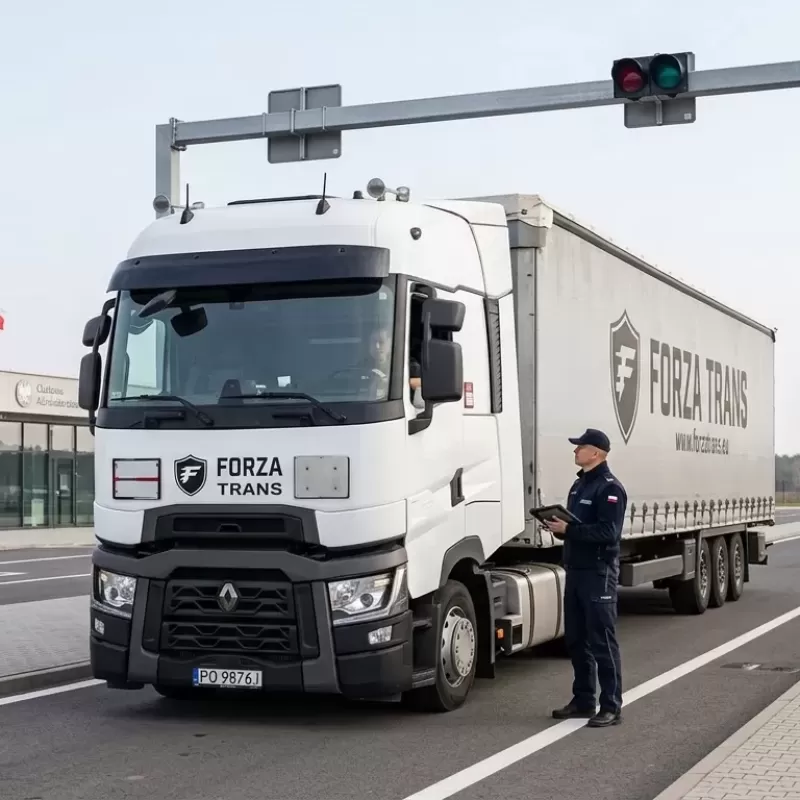
Reliable Trucking Services Between Turkey and Poland
We provide seamless and efficient road freight solutions connecting Turkey and Poland. With our modern fleet and experienced logistics team, we ensure your cargo is delivered safely, on time, and in compliance with all international transport regulations. From full truckload (FTL) to less than truckload (LTL) shipments, our door-to-door delivery services are designed to optimize your supply chain and reduce transit times across Europe.
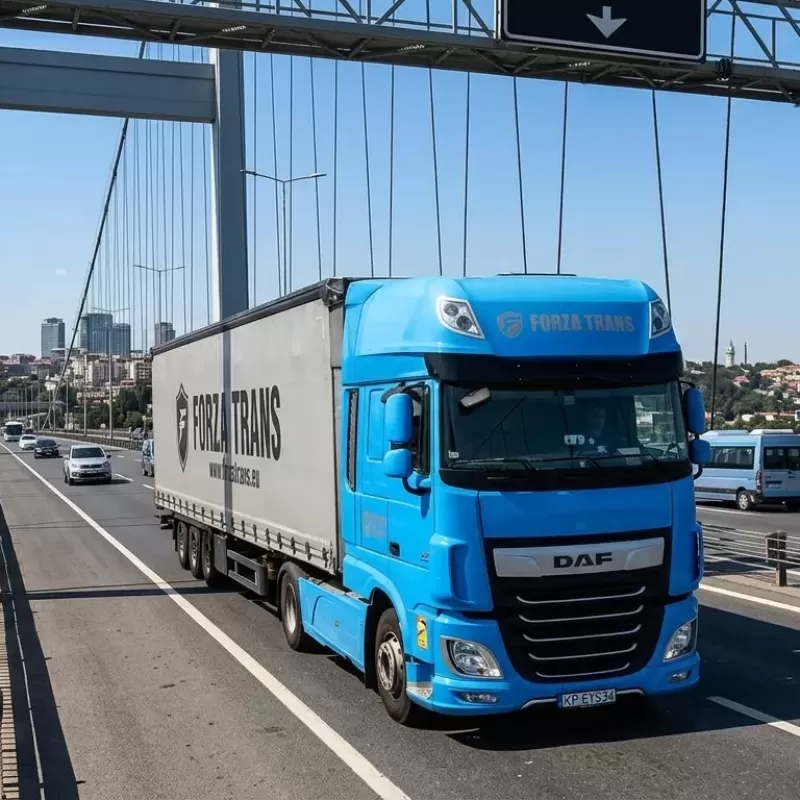
What are the primary transit routes used by ForzaTrans for Poland-Turkey logistics?
ForzaTrans utilizes the most efficient transit corridors, typically passing through Bulgaria, Romania, and Hungary, ensuring timely and secure delivery between Poland and Turkey.
How long does a typical road freight shipment take from Poland to Turkey?
The transit time usually ranges between 4 to 7 days, depending on customs procedures, border traffic, and the specific destination cities in both countries.
Does ForzaTrans provide customs clearance support for Poland-Turkey shipments?
Yes, ForzaTrans offers comprehensive logistics solutions, including guidance and support for customs documentation to ensure a seamless transit process across borders.
What types of cargo can be transported via ForzaTrans on the Poland-Turkey route?
We handle a wide variety of cargo, including general dry goods, industrial equipment, automotive parts, and textile products, utilizing our modern fleet of trucks.
How can I track my shipment while it is in transit between Poland and Turkey?
ForzaTrans provides real-time tracking updates, allowing you to monitor your cargo's status and location throughout the entire journey until it reaches its final destination.

