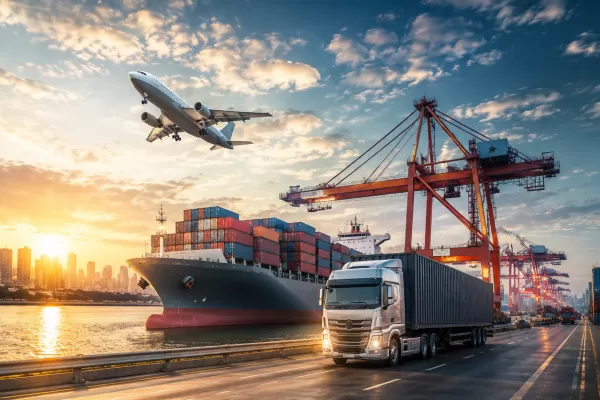
Explore the most important developments in the logistics sector in 2026. Discover how AI, automation, and sustainability are reshaping the future of global supply chains.
What Are the Most Important Developments in the Logistics Sector in 2026?
The global supply chain landscape is undergoing a radical transformation as we step into 2026. As businesses navigate an increasingly complex economic environment, understanding the most important developments in the logistics sector in 2026 is no longer optional; it is a prerequisite for survival. From hyper-automated warehouses to carbon-neutral shipping mandates, the industry is redefining efficiency and resilience.
In this comprehensive guide, we analyze the technological, regulatory, and operational shifts that are defining the logistics industry this year. Companies that leverage these trends will gain a significant competitive edge in the global marketplace.
The Rise of Autonomous Logistics and AI Integration
Artificial Intelligence has moved beyond predictive analytics and into the realm of autonomous decision-making. In 2026, the integration of AI within fleet management and warehouse operations has become the industry standard. This shift is one of the most important developments in the logistics sector in 2026, as it drastically reduces human error and operational costs.
- Autonomous Last-Mile Delivery: Drones and sidewalk robots are now ubiquitous in urban distribution, significantly lowering delivery times.
- Predictive Maintenance: IoT sensors allow fleets to predict mechanical failures before they occur, ensuring 99.9% uptime.
- Smart Warehousing: AI-driven robotics manage inventory in real-time, optimizing storage density and picking speeds.
Beyond automation, sustainability has become the driving force behind logistics strategy. The 2026 regulatory framework forces companies to report their Scope 3 emissions with extreme precision. Consequently, green logistics is no longer a corporate social responsibility initiative; it is a core operational requirement. Logistics firms are investing heavily in electric heavy-duty trucks and hydrogen-powered maritime vessels to meet these ambitious net-zero targets.
Furthermore, the concept of 'Supply Chain Resilience' has evolved. Due to geopolitical uncertainties, companies are shifting from 'Just-in-Time' to 'Just-in-Case' inventory models. By diversifying their supplier base and utilizing advanced digital twins, logistics managers can now simulate disruptions and create mitigation strategies in seconds. This capability to visualize and stress-test the entire supply chain is a hallmark of the most important developments in the logistics sector in 2026.
In conclusion, the logistics sector in 2026 is characterized by a blend of high-tech innovation and ecological responsibility. As we look toward the future, those who embrace these developments will likely lead the industry. The focus on sustainability, combined with the power of autonomous systems, ensures that the supply chain of 2026 is faster, cleaner, and more resilient than ever before.